The History of 3 Lewes Crescent
3 Lewes Crescent
Architecture and furnishings
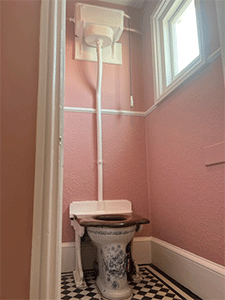
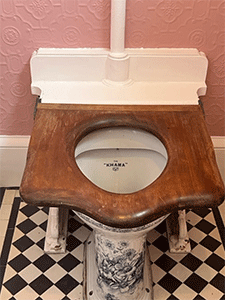
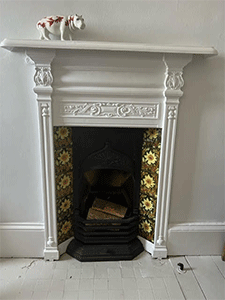
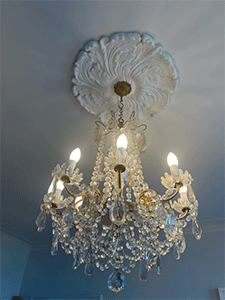
This house was the scene of one of the earliest setbacks for Thomas Read Kemp’s great speculative building project when in November 1824 it was damaged by fire while still unfinished. Despite this, it was one of the first in Lewes Crescent to be occupied; from 1827 until 1830 street directories list the occupant as Mr Robert Grant. While there are no other details about Mr Grant, it is possible given Kemp’s close links to the East India Company – his father-in-law Sir Francis Baring had been its Chairman – that this was Sir Robert Grant, whose father was another former Chairman of the Company. Grant was a sitting MP between 1818 and 1832 and would have been an ideal seasonal resident for Kemp’s fledgling Estate until his appointment as Governor of Bombay in 1834.
Between 1834 and 1859 the house was then home to the prominent and successful Brighton banker Thomas West and his family and household.
In 1805 West and four colleagues founded the Brighton Union Bank at 6 North Street (now part of the Hannington’s Building) one of only two Brighton banks to survive the financial crash of 1825. When its only rival, Wigney’s Bank, was forced to close in 1842, West and his Union Bank were left dominant in the town. The 1841 and 1851 census returns reflect West’s wealthy status with six resident servants and also prominent guests staying with the family on census night; in 1851 his guests were Rear Admiral Edward Hawker, veteran of the Napoleonic Wars, and his two unmarried daughters.
West died around 1860, leaving his widowed wife Anne resident in the house along with family and servants. Meanwhile, the Union Bank expanded and flourished until 1894 when it was taken over by the forerunners of Barclays Bank.
The house’s next long-term resident is an intriguing one. Street directories list Alfred Waterhouse and his family as living in the house from 1873 until 1921. Alfred’s namesake was one of the Victorian era’s greatest Gothic Revival architects, designer of London’s Natural History Museum – work on this began in 1873, when Waterhouse is first recorded in Lewes Crescent - and also of Brighton’s Metropole Hotel, completed in 1890 and still a prominent red-brick counterpoint to the white stucco of the Grand Hotel and the city’s seafront terraces. He also designed the old Hove Town Hall – destroyed by fire in 1966 – in the early 1880s. Family details of the census records for 1891 and 1901, however, suggest our Alfred Waterhouse was not the prominent architect, but a mere namesake.
From 1924 the house was divided into separate flats. From 1924 until 1928 one resident was Sir Howard Kingsley Wood MP who went on to become Chancellor of the Exchequer in Churchill’s wartime government.